
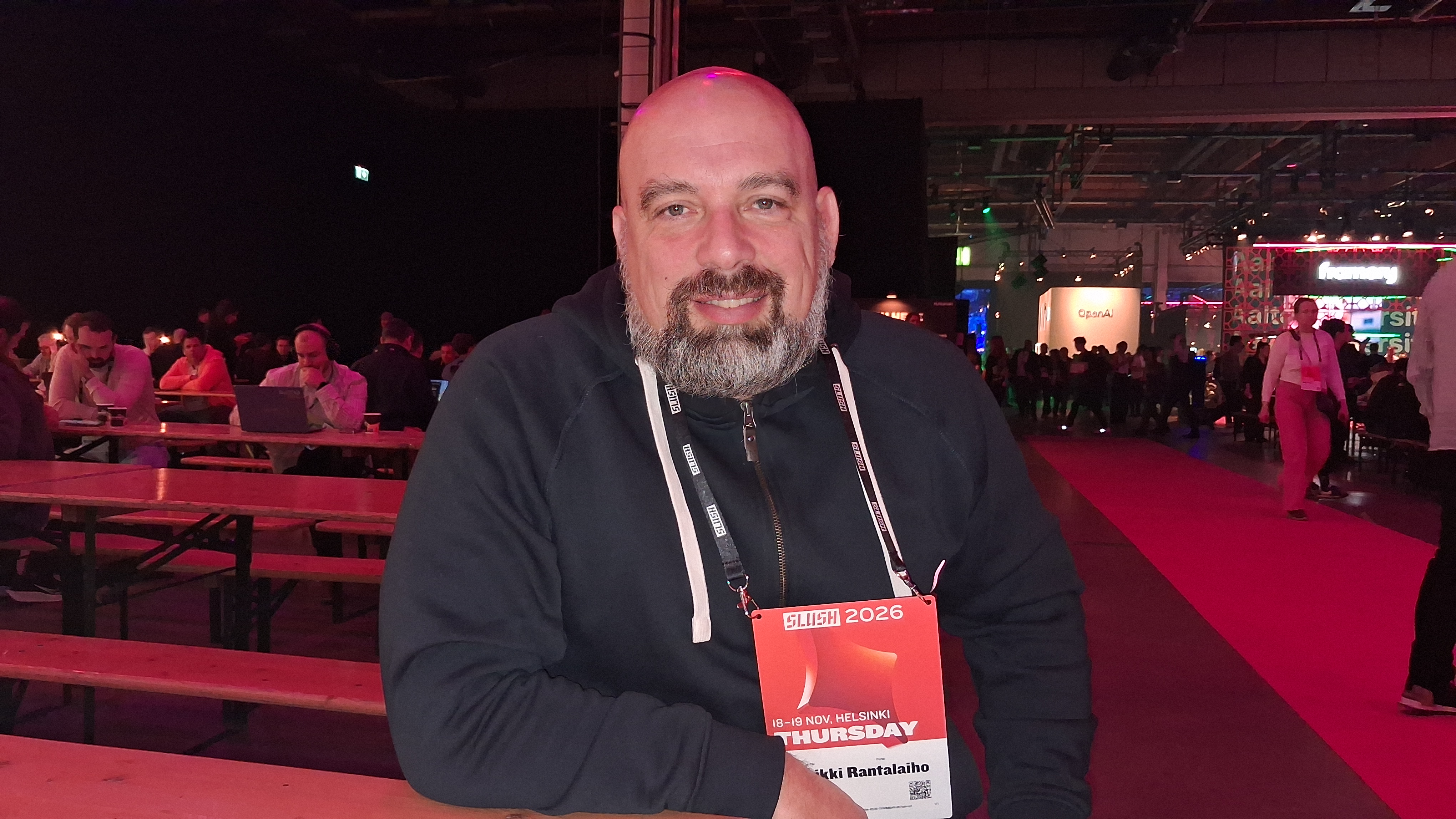
Roadial is taking aim at one of the most fragmented corners of the automotive sector: roadside assistance. Speaking at the Slush startup event, the company’s co-founder and CEO Heikki Rantalaiho detailed how his team is using artificial intelligence and newly accessible vehicle data to act as an impartial orchestration layer between stranded motorists, insurance providers, automakers, and towing operators.
The vision is rooted in decades of hands-on industry experience. Before launching Roadial, Rantalaiho spent more than 25 years in mobility services, working his way up through car rental giant Sixt before founding a towing company in Kuopio from scratch. Over nearly 15 years, he expanded that operation across five Finnish cities—including Jyväskylä, Lahti, Tampere, Pori, and Hämeenlinna—before selling the entire business a few years ago, having already conceived the blueprint for his next venture. He co-founded Roadial with CTO Marko Kesküla.
Historically, when a driver breaks down, their call is routed to a call center tied to a specific towing chain or insurer. Because those dispatchers only have visibility into their own network’s capacity—and because drivers are often locked into a single chain once a claim is opened—service quality suffers and wait times can stretch for hours. Roadial breaks that silo by acting as a neutral, brand-agnostic middleman that uses an AI call center and matching engine to connect the driver with the best available service provider, regardless of which fleet owns the truck.
Beyond reactive dispatch, Roadial is expanding into predictive maintenance through a new offering called Roadial Activated. Enabled by recent European Union regulation, such as the Data Act, that opened up access to direct vehicle telemetry data, the platform monitors fleet health in real time to spot mechanical failures before a car ever breaks down on the side of the road.
The technology targets two of the most common causes of roadside callouts: failing 12-volt batteries and slow tire leaks. By reading voltage drops directly from the car—and factoring in regional weather forecasts like incoming sub-zero temperatures—Roadial can proactively arrange a battery replacement before the vehicle fails to start. Similarly, it flags persistent tire pressure warnings that drivers or rotating rental car users might ignore, guiding them to a repair shop early.
"We are sort of cannibalizing our own core business," Rantalaiho joked, noting that preventing breakdowns directly reduces the need for emergency towing. However, the shift reflects a deliberate strategy to prioritize the end user's experience rather than maximizing short-term dispatch fees.
From a commercial standpoint, Roadial operates on a multi-sided transaction model. The company collects service fees from insurance providers for handling their customer support workflows, while also taking a commission from towing companies and repair shops when Roadial’s platform routes a job or recommends a garage to a driver. Unlike search advertising, these repair recommendations are based on what is best for the driver rather than paid placement.
Roadial, which is currently raising its seed round, is preparing to scale beyond Finland. Over the coming year, the startup plans to explore expansion into neighboring Nordic markets while building partnerships with major automotive and mobility players across the continent.
SAKRI VIKLUND