
For years, the experience was the same: a persistent gap between knowing exactly what needed to be done and the physical act of beginning. Knowing what to do was never the hard part; starting was, especially when mundane daily chores like taking out the garbage felt disproportionately difficult while deeply engaging projects could hold attention until three in the morning.
Slycora grew out of that gap, and out of a question a coach once asked that reframed everything: “What is normal, anyway?” That question ended one narrative and started another, pointing to a mismatch between a specific kind of mind—one shaped by ADHD—and productivity systems built for a different one.
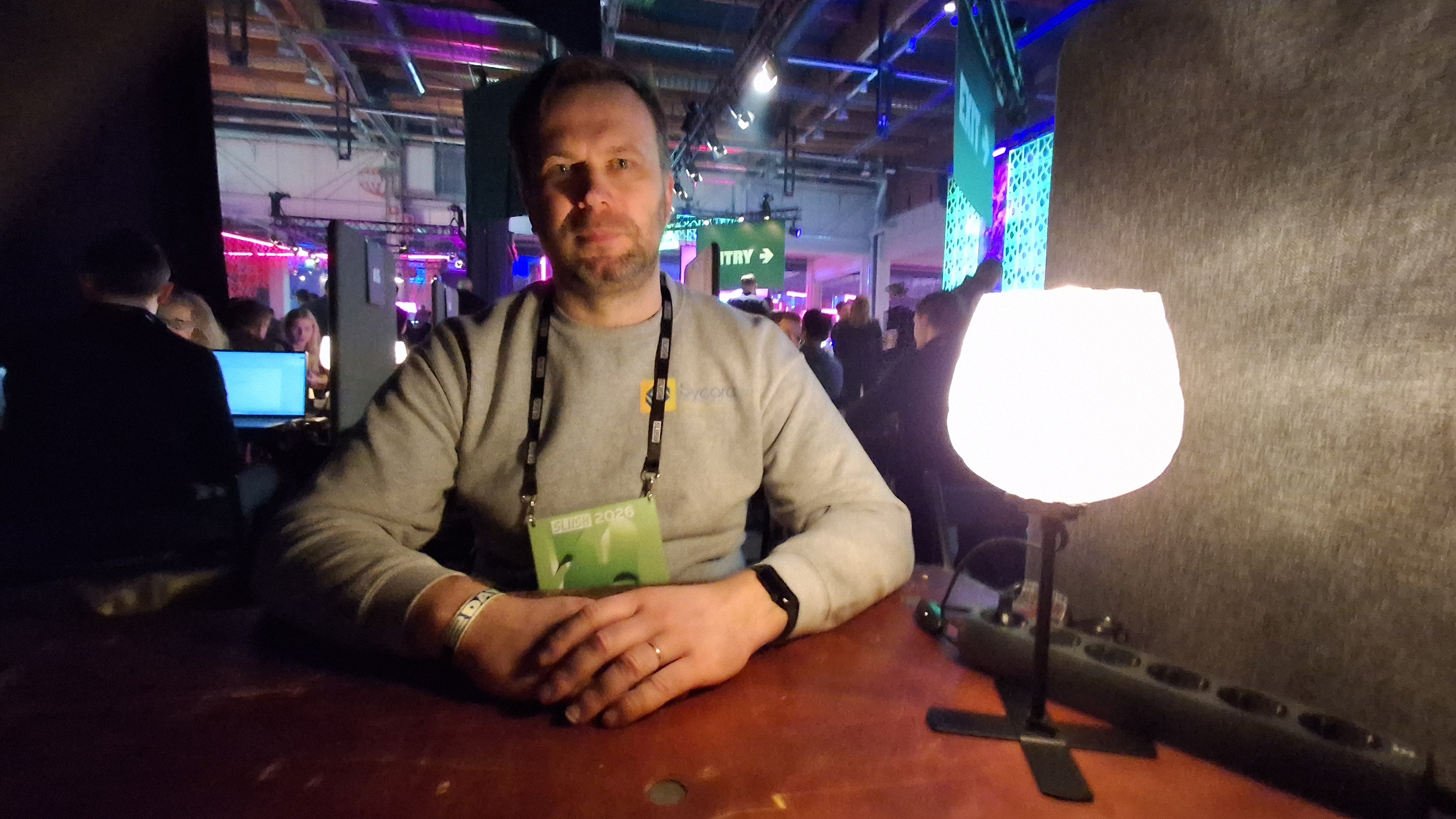
CEO Kristijan Pihus arrived at this realization after working as a CTO in a defense technology company, where he experienced burnout and began examining his own patterns and actions at work. Rather than treating ADHD productivity struggles as a simple inability to get things done, he dug into scientific research—drawing on roughly 65 studies—and concluded that technology and structured support could meaningfully improve day-to-day execution.
At the core of Slycora is a two-layer task management approach designed to act like a coach in the user's pocket, rather than just a static to-do list.
The first layer evaluates tasks across relevance, urgency, and impact so users focus on what actually matters right now instead of chasing novelty or getting tripped up by high-urgency noise.
Lowering unnecessary urgency is particularly deliberate, as Pihus notes that when everything feels urgent, people push past their sustainable limits and risk burnout while racing the clock instead of prioritizing clearly.
By pairing scores with brief explanations of why a task is relevant or urgent, the system aims to provide supportive guidance without pretending to be a clinical therapy app.
The second layer focuses on daily planning and realistic capacity, building a daily agenda from a backlog without simply dividing available clock hours by task counts. Drawing inspiration from concepts like NASA's spaceflight resource planning, Slycora weighs mental and physical capacity against a user's daily energy and state so plans match what is actually feasible on a given day.
Roughly two months into its market launch, Slycora has been testing and refining its product-market fit in Estonia, including working alongside the Estonian ADHD Union while gathering real-world user feedback.
”Scientific models only go so far until paired with how people actually experience their condition day to day, where energy and focus can swing dramatically from one day to the next”, Kristijan Pihus emphasizes.
Looking ahead, Slycora plans to expand toward English-speaking markets such as the UK, Canada, the US, and Australia—and eventually explore B2B opportunities as workplace burnout grows—while seeking funding and angel investors who understand the problem firsthand. Though starting with ADHD productivity given its complexity, Pihus sees the broader mission as helping anyone who struggles to bridge the distance between intention and action.